
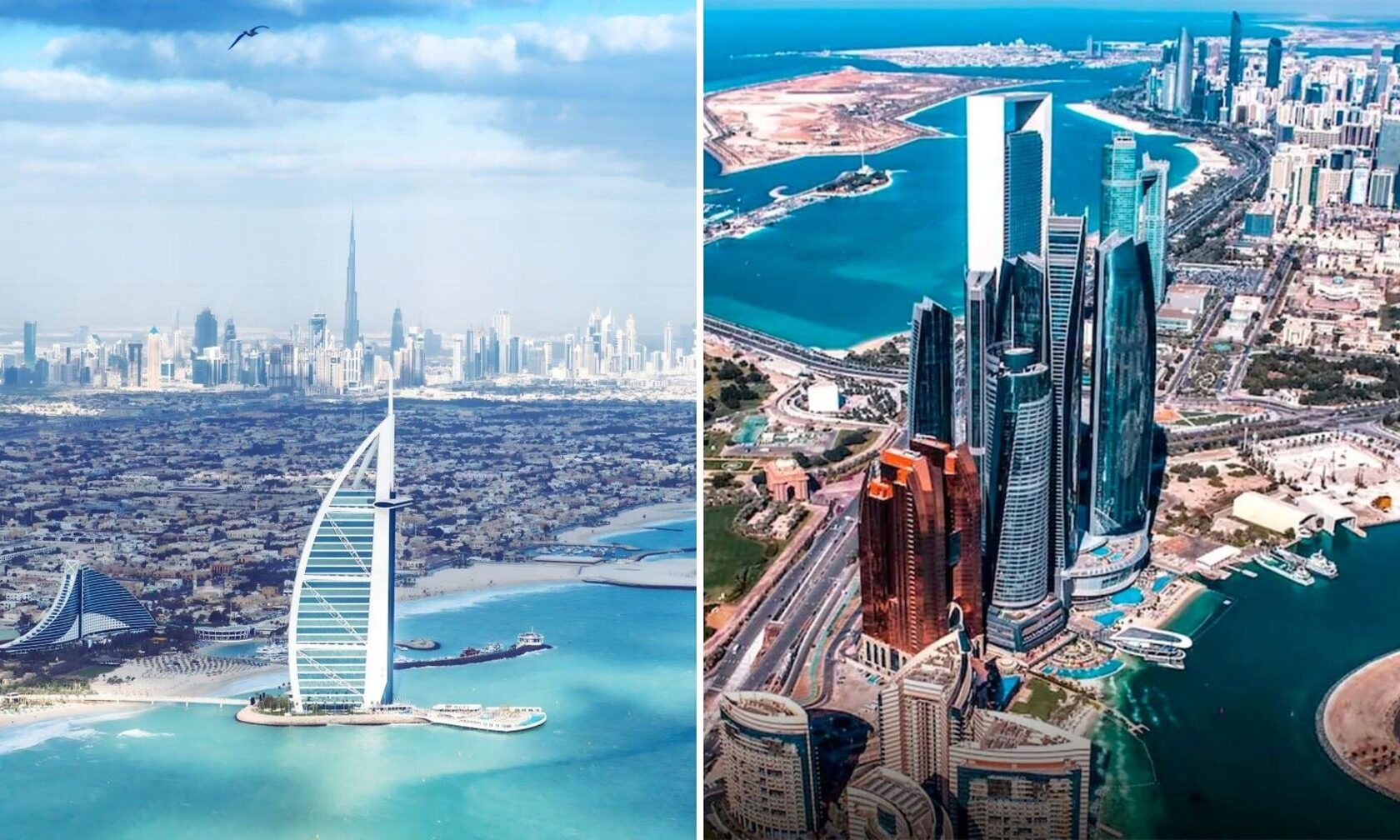
Why Your Choice Between Abu Dhabi and Dubai Matters
Starting a business in the UAE means joining one of the world’s most active entrepreneurial markets. Yet Dubai and Abu Dhabi offer two very different startup paths.
Dubai dominates in speed and scale — home to a USD 23 billion ecosystem and nearly 90% of the country’s startups. Abu Dhabi, powered by Hub71 and ADGM, offers depth, government-backed funding, and industry specialization. Both cities attract global founders, but the right choice depends on your business model, capital needs, and sector.
Fast Facts for Founders
Before diving deeper, here’s a quick comparison of what matters most for entrepreneurs:
- Setup speed: Dubai finalizes licensing in days; Abu Dhabi takes longer but offers fee relief.
- First-year costs: Abu Dhabi wins with lower rent and housing incentives.
- Sector focus: Dubai suits fintech, logistics, and media; Abu Dhabi leads in AI, energy, and healthcare.
- Investor networks: Dubai has dense VC and angel ecosystems; Abu Dhabi features sovereign funds like Mubadala and ADQ.
- Talent and lifestyle: Dubai attracts global professionals, while Abu Dhabi offers more affordable living.
Company Setup and Registration Timelines
Where Startups Launch Fast
Dubai’s free zones — such as Dubai Internet City or Dubai Silicon Oasis — are designed for speed. Entrepreneurs can get licensed within a week, and digital portals simplify approvals and banking setup. This makes Dubai ideal for founders who need quick market entry and immediate client billing.
Where Stability Takes Priority
In Abu Dhabi, the process is slower but built for longevity. The Abu Dhabi Global Market (ADGM) and Abu Dhabi Business Centre use streamlined systems under English common law. This appeals to startups in regulated industries like fintech and energy, ensuring stronger compliance and investor trust.
Licence Types and Business Activities
Flexible Licensing in Dubai
Dubai offers unmatched flexibility across industries. DIFC caters to financial technology, Dubai Media City supports creative and digital ventures, and Dubai Silicon Oasis hosts tech innovators. These free zones provide credibility and connections to major global players like Google and Microsoft.
Sector-Specific Support in Abu Dhabi
Abu Dhabi’s strategy is precision over volume. Masdar City supports clean energy and sustainability projects, while Hub71 focuses on AI and deep-tech ventures, offering up to 50% cost subsidies on rent and insurance. Twofour54 fosters media, gaming, and production startups with specialized facilities and mentorship.
Cost and Runway Planning
Understanding Your First-Year Budget
Operating in Dubai is more expensive. Expect co-working spaces from AED 20,000 yearly and higher payroll due to living costs. However, faster access to customers and investors can balance expenses.
Extending Your Runway in Abu Dhabi
Abu Dhabi reduces pressure on early-stage founders through government subsidies and housing support. Startups in Hub71 may receive up to two years of free office space and health insurance — a significant runway advantage for product-focused businesses.
Taxes, Incentives, and Compliance
Corporate Tax and VAT Rules
Both cities follow the UAE’s 9% federal corporate tax and 5% VAT. Yet, many free zones still offer exemptions for qualifying income. Compliance is streamlined through online portals, ensuring founders can handle taxes efficiently.
Financial Incentives and Grants
Abu Dhabi stands out for direct financial programs. ADIO offers innovation grants exceeding USD 500 million, while the Khalifa Fund provides interest-free loans up to AED 3 million. Hub71’s incentive program can save startups substantial costs.
Dubai focuses on exposure and partnerships, leveraging global events like GITEX and the Dubai Future Accelerators to connect startups with investors and corporates.
Funding and Investor Networks
Where Venture Capital Moves Fast
Dubai remains the funding hub of the Middle East. Home to VCs like Wamda Capital, BECO, and Global Ventures, it’s ideal for founders seeking fast capital and visibility. Over 300 Dubai-based startups have raised USD 11.7 billion in the past decade.
Strategic Capital in Abu Dhabi
Abu Dhabi relies on sovereign wealth and strategic alignment. Funds like Mubadala Ventures and ADQ’s DisruptAD focus on deep-tech and national priorities. Hub71 startups alone have raised USD 1 billion, often through long-term government partnerships that back multiple growth stages.
Sector Focus and Growth Opportunities
Dubai: Consumer and Fintech Powerhouse
Dubai’s infrastructure supports e-commerce, logistics, and fintech. With over 16 million annual visitors, startups enjoy immediate customer access. Unicorns like Careem and Souq.com grew from Dubai’s investor-friendly ecosystem and global connectivity.
Abu Dhabi: Deep-Tech and Sustainability Leader
Abu Dhabi excels in research-driven industries — AI, biotech, cleantech, and agritech. Institutions like MBZUAI and Masdar City enable startups to pilot innovative technologies. Companies such as Pure Harvest began here before expanding across the Middle East.
Talent, Hiring, and Visas
Building Your Team in the UAE
Dubai attracts top global talent in marketing, tech, and design. Its lifestyle perks and cosmopolitan culture make it easy to hire — though at higher cost.
Abu Dhabi, meanwhile, offers affordable living and a strong pool of engineers and researchers, especially in AI and sustainability sectors.
Visa Options and Residency
Both cities provide Golden Visas for entrepreneurs and Green Visas for skilled professionals. Dubai’s free zones integrate visa services into setup packages, while Abu Dhabi simplifies relocation through ADGM and Hub71, appealing to families and long-term residents.
Real-World Scenarios
For Bootstrapped Founders
Choose Abu Dhabi for its subsidies, flexible offices, and funding programs like the Khalifa Fund. These can cut early-stage costs by up to 50% and extend your financial runway.
For VC-Backed Startups
Pick Dubai for investor proximity and visibility. Presence in DIFC or Dubai Internet City adds credibility and media exposure — vital for scale-ups seeking global recognition.
For Deep-Tech Innovators
Select Abu Dhabi for research access, lab partnerships, and intellectual property protection. Government entities often act as early adopters, helping validate and scale innovation.
Using Both Cities Strategically
Many founders combine both ecosystems: registering in Abu Dhabi to leverage subsidies and opening a Dubai office for business development. The two cities are just 90 minutes apart, allowing seamless collaboration. This dual approach balances cost efficiency and market reach — a strategy increasingly common among successful UAE startups.
Conclusion — Which City Fits Your Startup Best?
Dubai suits founders focused on speed, scale, and investor visibility, while Abu Dhabi benefits startups needing stability, funding support, and R&D collaboration.
Ultimately, many companies operate in both cities to maximize opportunity and resilience.
For expert guidance on UAE company formation and a personalized startup plan, contact OCTAGON — we’ll help you identify incentives, forecast first-year costs, and secure the ideal business setup in 2025.
FAQs
1. Is Dubai or Abu Dhabi better for startups?
Dubai offers faster access to investors and markets; Abu Dhabi provides stability and government incentives. The ideal choice depends on your funding and growth model.
2. Which city is more affordable for new companies?
Abu Dhabi generally costs less due to rent and salary differences, plus available subsidies.
3. How long does the setup process take?
Dubai free zones can license a startup within days, while Abu Dhabi may take a few weeks depending on sector regulation.
4. Can I operate in both cities?
Yes. UAE regulations allow companies registered in one emirate to do business across the country.
