
Picture this: You've got a brilliant product that's ready to take the Middle Eastern market by storm. The UAE sits right there on the map like a golden gateway between East and West, practically begging you to set up shop. But here's where it gets interesting—there's not just one way to bring your goods into this thriving business hub. You've got choices, and honestly? The decision you make here could be the difference between smooth sailing and costly headaches down the road.
The United Arab Emirates has earned its reputation as one of the world's premier trading destinations, and for good reason. This isn't just marketing fluff—we're talking about a country that processes millions of tons of cargo annually, connecting manufacturers from Asia with distributors across Africa and Europe. Whether you're shipping electronics from Shenzhen, fashion from Bangladesh, or machinery from Germany, the UAE offers two distinct pathways that'll determine everything from your tax bill to how quickly you can get your products to market.
What Makes UAE Importing Tick (And Why Location Decisions Matter More Than You Think)
Let's get one thing straight from the start—importing into the UAE isn't some Wild West free-for-all. The country operates under the GCC Common Customs Law, which sounds bureaucratic but actually creates a pretty streamlined system once you know the ropes. Each emirate handles its own customs operations, so you've got Dubai Customs running the show in Dubai, Abu Dhabi Customs calling the shots in the capital, and so on.
Here's where it gets really interesting though. You know how people always say "location, location, location" in real estate? Same principle applies here, except we're talking about two fundamentally different business environments that'll shape your entire operation.
The mainland route puts you right in the heart of the UAE's domestic economy. Think of it as getting a VIP pass to the local market—you can sell to anyone, anywhere across all seven emirates without jumping through additional hoops. Your goods clear customs once, you pay your duties upfront, and boom—you're ready to distribute from Dubai to Fujairah without anyone asking questions.
Free zones, on the other hand, operate more like international business lounges. They're designed for companies that think globally first, locally second. Your goods can sit in these zones without triggering UAE customs duties, which is fantastic if you're consolidating shipments from multiple suppliers or planning to re-export to neighboring countries.
Free Zone Benefits: Why Global Traders Love This Setup
Let me be honest—free zones aren't just about avoiding duties, though that's certainly a nice perk. These areas were specifically designed to attract international businesses, and the benefits show it.
First off, you get 100% foreign ownership. No local partners required, no complicated shareholding structures. Your business, your rules. For many international companies, this alone makes free zones worth considering.
Then there's the tax situation, which gets interesting when you dig into the details. Under the UAE's corporate tax regime, qualifying income in free zones can enjoy rates between 0-9%. Now, "qualifying income" has specific definitions, so don't assume everything's tax-free, but for businesses structured correctly, the savings can be substantial.
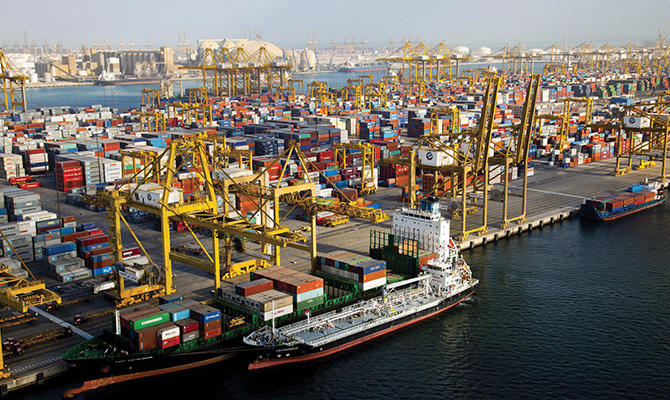
The real magic happens with logistics though. Take JAFZA (Jebel Ali Free Zone Authority)—it's literally connected to Jebel Ali Port, one of the busiest container ports in the world. Your goods can move from ship to warehouse without ever technically "entering" the UAE. For companies managing complex supply chains across multiple countries, this kind of operational flexibility is pure gold.
Dubai Airport Free Zone (DAFZA) offers similar advantages for air cargo. Your shipment lands, moves into the zone, and you can decide later whether to re-export, add value through light manufacturing, or push into the local market.
Mainland Trading: Direct Access to UAE's Booming Market
Here's the thing about mainland companies—they get to play in the big leagues immediately. No customs barriers between your warehouse and customers in Abu Dhabi, Dubai, Sharjah, or anywhere else in the UAE. You're not just importing; you're becoming part of the local business ecosystem.
This matters more than you might think. The UAE's consumer market has been growing steadily, driven by a diverse expat population with disposable income and local businesses that need everything from office supplies to industrial equipment. Mainland companies can bid on government tenders, establish direct relationships with major retailers, and build distribution networks that reach every corner of the country.
The recent foreign ownership reforms made this even more attractive. You can now own 100% of most mainland companies without needing a local partner. Remember when you had to give up 51% of your business to a UAE national? Those days are largely behind us for most sectors.
VAT registration becomes interesting here too. Yes, you'll pay 5% VAT on imports, but as a registered business, you can claim it back on business inputs. For companies with significant operational expenses, this can actually improve cash flow compared to free zone operations.
The Nitty-Gritty: How Importing Actually Works
Alright, let's talk about the real-world process because this is where theory meets practice, and trust me, the details matter.
Free Zone Import Process: Step by Step
Starting a free zone import operation begins with getting your licensing sorted. Each zone has its own authority—JAFZA, SAIF Zone, Dubai Airport Free Zone—and they each offer different packages depending on what you're importing. Electronics trading licenses differ from general trading ones, so make sure you're getting the right permit for your product category.
Once your license is sorted, you'll need an importer code. Free zone companies register through their zone's customs desk, which usually happens pretty quickly since everything's centralized.
When your shipment arrives, things get interesting from a customs perspective. Your goods must be consigned directly to the free zone, not to a mainland address. You'll file what's called a "Transit In" declaration, which basically tells customs "these goods are staying in the duty-free zone for now."
The paperwork requirements are standard but crucial: Bill of Lading or Air Waybill, commercial invoice with detailed product descriptions, packing list with HS codes (get these right—seriously), certificate of origin, and any special permits your products require.
Customs might decide to inspect your shipment, which is normal. Once they're satisfied, your goods move into your designated warehouse space within the zone. At this point, you can store them indefinitely, add value through light manufacturing, or prepare them for re-export.
The plot thickens when you want to sell locally. To move goods from the free zone into the UAE market, you'll need to file a "Free Zone to Local" import declaration and pay the standard 5% customs duty. This is where many businesses get tripped up—they assume free zone benefits extend to local sales, but that's not how it works.
Mainland Import Process: More Direct, Different Challenges
Mainland importing starts with registering your trade license with the Department of Economic Development in your chosen emirate. Dubai DED, Abu Dhabi DED, Sharjah DED—each has slightly different procedures, but the core requirements are similar.
Your importer code registration happens directly with the emirate's customs department. This usually takes a couple of days after licensing, assuming your paperwork's in order.
The import process itself is pretty streamlined thanks to digital platforms. Dubai uses Mirsal 2, Abu Dhabi operates ATLP, and other emirates have their own systems. These platforms handle everything from initial declarations to duty payments, making the process much smoother than the old paper-based systems.
Documentation requirements mirror free zone imports: commercial invoice, packing list with HS codes, certificate of origin, Bill of Lading, and product-specific permits. The difference is that you're clearing directly for domestic use, so there's no intermediate "zone" step.
Payment happens upfront. Standard customs duty of 5% applies to most goods (with some exceptions for GCC-originating products under the Makasa system), plus 5% VAT calculated on the CIF value plus duty. For VAT-registered businesses, this becomes a reclaimable expense, but you'll need working capital to cover the initial outlay.
Clearance usually happens within 24 hours for straightforward shipments. Customs may flag certain goods for physical inspection, but the UAE's automated systems are pretty sophisticated at identifying low-risk shipments.
What It Really Costs: Beyond the Obvious Numbers
Let's talk money, because import costs involve more than just the obvious duties and fees. The real financial picture includes setup costs, recurring expenses, and the hidden costs of different operational models.
Free zone license fees typically range from AED 5,500 to AED 20,000 annually, depending on the zone and license type. SAIF Zone tends toward the lower end, while premium locations like DIFC command higher fees. Office or warehouse space adds another AED 15,000 and up, with prime locations near major ports costing significantly more.
Mainland licenses run AED 10,000 to AED 30,000 annually through most DED offices. Office space costs vary wildly depending on location—a small office in Dubai Marina will cost considerably more than equivalent space in Sharjah or the Northern Emirates.
Customs clearance fees seem small individually but add up over time. Free zones typically charge AED 50-65 per declaration, while mainland clearance runs AED 20-50. For high-volume importers, these differences become meaningful.
The real cost differentiator comes down to duty timing and VAT treatment. Free zone companies defer duty payments until goods enter the mainland market, which can significantly improve cash flow for businesses holding inventory. Mainland companies pay everything upfront but can reclaim VAT on business expenses.
Excise duties add another layer of complexity. Sugary drinks face 50% excise duty, tobacco products get hit with 100%, and other categories have their own rates. These apply regardless of whether you're importing through free zones or mainland, and they're calculated separately from standard customs duty.
Speed and Efficiency: How Fast Can You Actually Move?
The UAE has invested heavily in making trade as frictionless as possible, and it shows in processing times. Free zones like JAFZA and SAIF can incorporate new businesses in 2-5 working days, assuming all documentation is complete. Mainland DED licenses take 3-10 working days, with complex activities or additional approvals extending timelines.
Importer code registration typically completes within two days of licensing, regardless of setup type. This is where having experienced local support really pays off—navigating the various government portals and understanding documentation requirements can save weeks of back-and-forth.
The UAE's port infrastructure deserves special mention here. Jebel Ali Port handles massive container volumes with impressive efficiency, thanks to extensive automation and 24/7 operations. Abu Dhabi's Khalifa Port has been growing rapidly and offers strong digital trade support systems. Sharjah's ports provide cost-effective alternatives with lower congestion during peak periods.
Customs clearance through digital platforms like Mirsal 2 and ATLP typically processes compliant shipments within 24-48 hours. Common delay factors include incomplete paperwork, incorrect HS code classification, payment processing issues, and missing import permits for regulated goods.
Here's something many importers learn the hard way—getting your HS codes right from the start saves enormous time and money. Misclassification can trigger additional inspections, duty adjustments, and penalty payments that ripple through your entire supply chain schedule.
Market Access: Where You Can Actually Sell Your Products
This is where free zone versus mainland decisions get really practical. Mainland companies enjoy unrestricted access to UAE consumers and businesses. You can establish direct relationships with major retailers like Carrefour or Lulu, bid on government contracts, or build your own distribution network covering all seven emirates.
Free zone companies face a different reality. To sell within the UAE, goods must be transferred to a mainland-licensed entity, triggering customs duty payments and additional logistics steps. Many free zone businesses work around this by establishing mainland branches or partnering with local distributors, but both approaches add cost and complexity.
For re-export businesses, free zones offer clear advantages. Goods can move directly from zone warehouses to international destinations without ever becoming subject to UAE customs duties. The Makasa system allows duty-paid goods to move freely within GCC countries, opening additional regional opportunities.
E-commerce presents interesting opportunities for both setups. Mainland companies can sell directly to UAE consumers through local platforms or international marketplaces. Free zone companies often establish fulfillment partnerships with mainland entities to access local e-commerce markets while maintaining their export advantages.
Choosing Your Emirates: Why Location Strategy Matters
Each emirate brings distinct advantages depending on your business model and target markets. Dubai offers world-class logistics infrastructure and global connectivity, but these benefits come with higher operational costs. The emirate's strategic location and established business networks make it ideal for companies prioritizing speed and connectivity over cost optimization.
Abu Dhabi focuses heavily on industrial development, particularly through zones like KIZAD (Khalifa Industrial Zone Abu Dhabi). If you're importing industrial equipment, raw materials, or planning manufacturing operations, Abu Dhabi's incentives and infrastructure can be very attractive.
Sharjah provides a compelling middle ground, offering cost-effective free zones like SAIF and Hamriyah with solid port and airport access. Many businesses find Sharjah delivers 80% of Dubai's advantages at 60% of the cost, particularly for regional distribution operations.
The Northern Emirates—Ras Al Khaimah, Fujairah, Umm Al Quwain, and Ajman—offer budget-friendly license packages and lower warehouse rents. For businesses where cost control trumps premium infrastructure, these locations can provide excellent value.
Remember that customs registration requirements tie to where you actually clear goods, not necessarily where your license originates. A company licensed in Sharjah but clearing goods through Dubai will need to register with Dubai Customs and follow their procedures.
Making Your Strategic Decision
Choosing between free zone and mainland setups isn't just about immediate costs—it's about aligning your business model with long-term growth plans. Free zones excel for international trading operations, particularly those focused on warehousing, light manufacturing, and re-export. The tax advantages and logistics benefits can be substantial for the right business model.
Mainland companies work best when UAE market access is a primary objective. If you're planning to distribute to local retailers, serve UAE consumers directly, or bid on government contracts, mainland setup provides the most direct path to market.
Your product category influences this decision significantly. Regulated goods like pharmaceuticals, food products, or telecommunications equipment require specific permits regardless of setup type, but the approval processes and ongoing compliance requirements may differ between free zones and mainland operations.
Consider your distribution timeline too. Free zone companies can begin operations and start importing immediately upon setup, but accessing the UAE market requires additional steps. Mainland companies face higher upfront costs but gain immediate market access once operational.
Many successful businesses eventually adopt hybrid approaches—importing through free zones for global distribution while establishing mainland branches for local market access. This strategy maximizes flexibility but requires careful coordination between entities and clear understanding of transfer pricing implications.
The UAE's business environment continues evolving, with new free zones launching and mainland regulations becoming more foreign-investor friendly. Whatever setup you choose initially doesn't have to be permanent—successful companies often adjust their structures as business needs change and new opportunities emerge.
Your path to UAE import success starts with understanding these fundamental differences and honestly assessing which model best serves your immediate needs and long-term ambitions. Whether you choose the international flexibility of free zones or the local market access of mainland operations, the UAE's world-class infrastructure and business-friendly environment provide the foundation for import success.
